

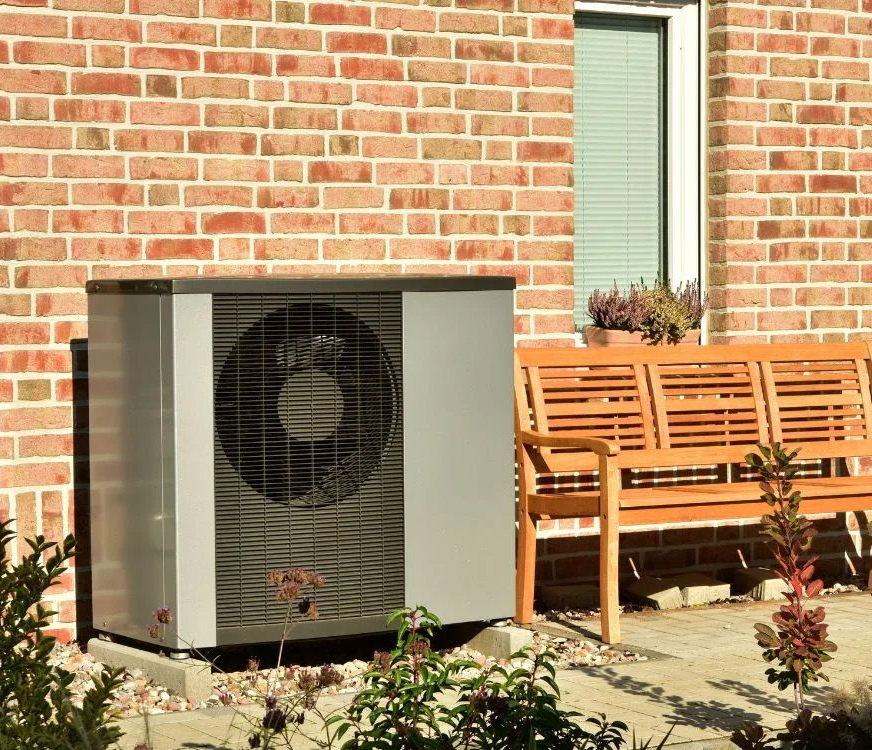
The Future Homes Hub has published Heat Pumps: Hints and Tips for Architects and Architectural Technologists, a new design-stage guide created in collaboration with leading homebuilders, designers and technical specialists. As the sector transitions to the Future Homes Standard, the guide responds to one of the most pressing challenges architects are raising: how to integrate heat pumps confidently and coherently from the earliest stages of housing design.
With heat pumps set to become the primary heating solution in new homes from 2027, evidence from early schemes shows that performance issues typically arise not from the technology itself, but from spatial, acoustic and fabric assumptions locked into a project long before technical design begins. The new guide distils lessons learned across industry to help architects make informed early decisions that preserve design intent while supporting compliance, cost efficiency and effective coordination.
Dan Neasham, Head of Homes and Sustainability, Future Homes Hub says: “Our FHS Heat Pump Implementation Group identified a real need to bridge a gap in knowledge among certain groups involved in the design and delivery of heat pump schemes. Architects and Architectural Technologists are front and centre of the design process, translating developer requirements into coordinated, high performing, aesthetically considered designs. As a result, they have a great opportunity to embed lessons learnt from early movers with heat pumps and make sure designs are optimised to avoid pain on site and to ensure efficient, warm homes and happy occupants.”
A Practical Guide Shaped by Real Design Challenges
The guide is grounded in the practical realities architects encounter when integrating heat pumps into low-rise housing. It focuses on the early design decisions that most influence spatial compatibility, acoustic performance, regulatory compliance and overall system efficiency. Drawing on experiences from live projects, it highlights that heat pumps cannot simply be dropped into legacy gas-based layouts without triggering redesign, coordination gaps and installation conflicts.
Early Spatial, Fabric and Acoustic Considerations
The publication outlines how equipment siting must be anticipated early, including acoustic constraints, refrigerant safety zones, maintenance access and the implications for elevations and services routes. It also explains how low-temperature heating interacts with fabric performance, clarifying why U-values, airtightness and thermal bridging must be considered in parallel, and coordinated closely with SAP assessors, M&E teams and heating system designers.
Internal Layout and Equipment Integration
Clear guidance is provided on accommodating emitters, cylinders, pipework, controls and other equipment within the thermal envelope of the home. Typical spatial allowances, routing implications and installation prompts are provided, helping architects avoid the common spatial conflicts and helping the homebuilder avoid rework which can occur when these elements are resolved too late.
Clarity on Workflow and Coordination
A structured workflow sets out where responsibilities lie across disciplines, and how coordinated decisions at concept and technical design stages prevent many of the integration issues observed in first-generation heat pump schemes. Rather than replicating technical standards, the guide serves as a concise, architect-focused entry point that distils sector experience into accessible prompts and principles.
Availability
The guide is available here: https://knowledge.futurehomes.org.uk/integratingheatpumps