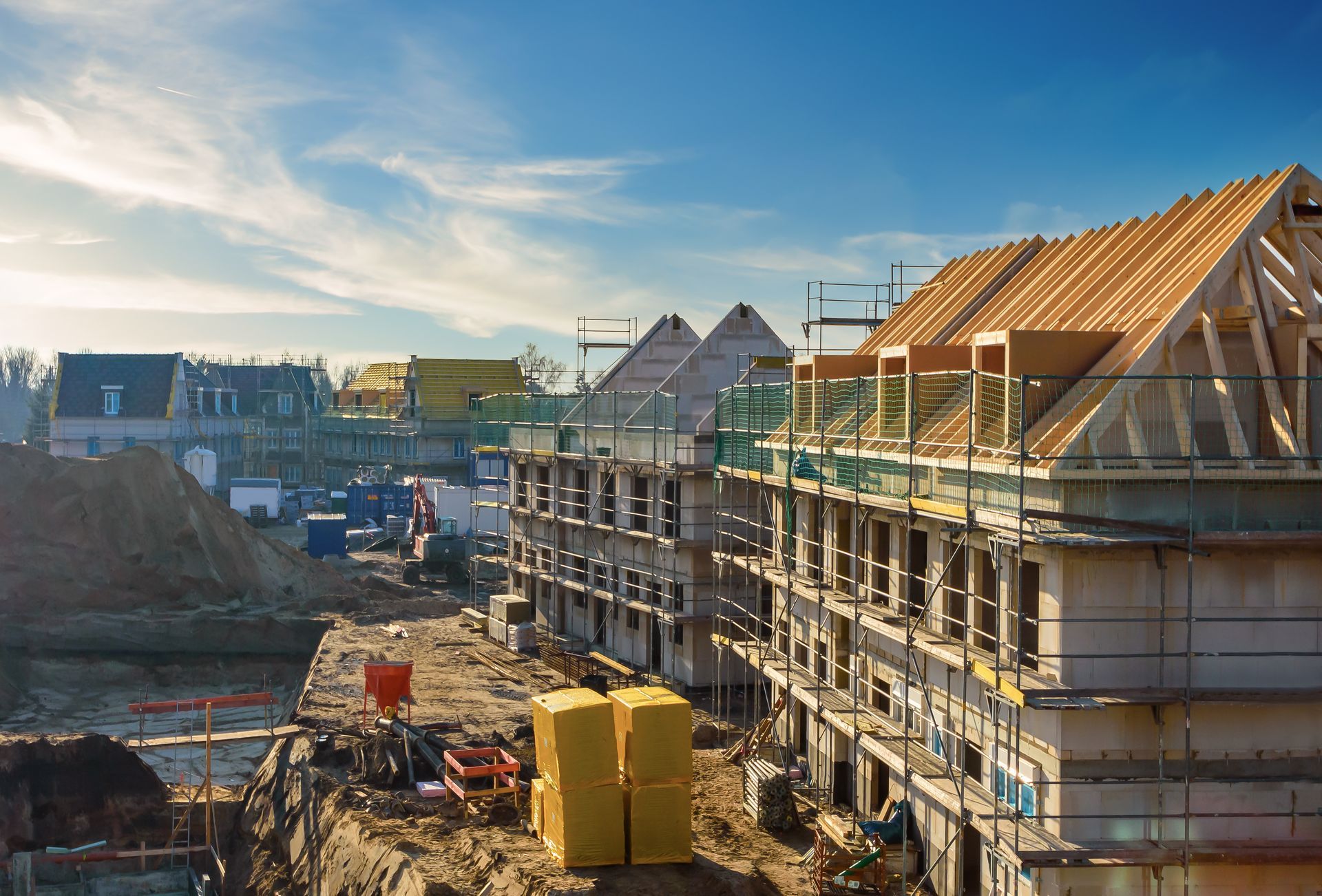
Whilst the Future Homes Standard, expected to be published shortly, will rapidly reduce carbon emissions associated with the operation of new homes, the new homes sector is also taking action to reduce the carbon embodied within the building materials, transport and construction processes.
The New Homes Sector Transition Plan, led by the sector in dialogue with the Government, set out the initial long-term pathway to reducing this embodied carbon. The Future Homes Hub has now established a new Embodied Carbon and Resource Efficiency Board (ECREB) to provide strategic leadership and coordination in implementing the plan.
The new board brings together homebuilders, suppliers, designers, local government and Government Departments to establish the practical ways forward to reducing embodied emissions whilst maintaining a focus on delivering high-quality new homes at scale. An early priority will be on driving resource efficiencies that reduce waste and save cost.
The board which met for the first time on Monday, will be co-chaired by Fergus Harradence, deputy director responsible for construction in the Department for Business and Trade and Bukky Bird Group Sustainability Director at Barratt Redrow.
Bukky Bird said: “The new homes sector has made significant progress in driving down operational emissions and customers’ energy bills, with the Future Homes Standard set to go even further and deliver homes that are zero-carbon-ready.
“The next challenge is tackling the carbon associated with materials, construction and the whole life of homes, which will require a coordinated effort across government, industry and the supply chain.
“The Embodied Carbon and Resource Efficiency Board brings together the leadership and the expertise needed to achieve this transition, supporting the industry to play its part in building sustainable new homes and a net zero future.”
Ed Lockhart, Chief Executive of the Future Homes Hub, said:
“The Future Homes Standard will fundamentally improve the way new homes perform for customers as part of an energy system fit for the 21st century. We also know we need reduce embodied carbon emissions and that there are many other moving parts, whether that is building safety, adapting to a changing climate, changes in the workforce or ensuring homes are affordable.
We therefore need to be strategic and thoughtful in how we approach reducing embodied carbon as part of this wider picture, never losing sight of designing better homes and communities for people. I am therefore delighted we have been able to bring together an excellent cross section of organisations and skills, importantly with the relevant government departments, to guide the sector to tackle embodied carbon in a holistic way."