


Heat Pumps: Hints & Tips for Site Managers

This online resource is a practical guide for site managers, designed to highlight common issues and best practice in heat pump installation.  It includes links to external guidance and provides support for each stage of the heat pump installation process, from groundworks to commissioning.  This content does not replace the need for a qualified technical team or detailed design and installation guidance from manufacturers and specialist trades.

Heat Pumps: Hints & Tips for Site Managers

This online resource is a practical guide for site managers, designed to highlight common issues and best practice in heat pump installation.  It includes links to external guidance and provides support for each stage of the heat pump installation process, from groundworks to commissioning.  This content does not replace the need for a qualified technical team or detailed design and installation guidance from manufacturers and specialist trades.


Download pdf poster

Abbreviations

Colour tags denote a checklist item is only relevant to the noted technology.


HP: Heat pump

ASHP: Air source heat pump

🟠 GSHP: Ground source heat pump

🔵 UFH: Underfloor heating

🟡 R290: Refrigerant grade propane

🟣 AWHP: Air to water heat pump

DOCUMENTATION

  • Is there an up-to-date copy of the drawings, design information and specifications on site or digitally accessible for all contractors’ operatives?

    See further heat pump guidance available on the Knowledge Centre

  • Is there a document register to track revisions and updates?

    See further heat pump guidance available on the Knowledge Centre

  • Is photographic evidence being captured to satisfy Part L requirements? This includes photographs of product information labels.

    See further heat pump guidance available on the Knowledge Centre

DOCUMENTATION

  • Is there an up-to-date copy of the drawings, design information and specifications on site or digitally accessible for all contractors’ operatives?

    See further heat pump guidance available on the Knowledge Centre 

  • Is there a document register to track revisions and updates?

    See further heat pump guidance available on the Knowledge Centre 

  • Is photographic evidence being captured to satisfy Part L requirements? This includes photographs of product information labels.

    See further heat pump guidance available on the Knowledge Centre 

GROUNDWORKS

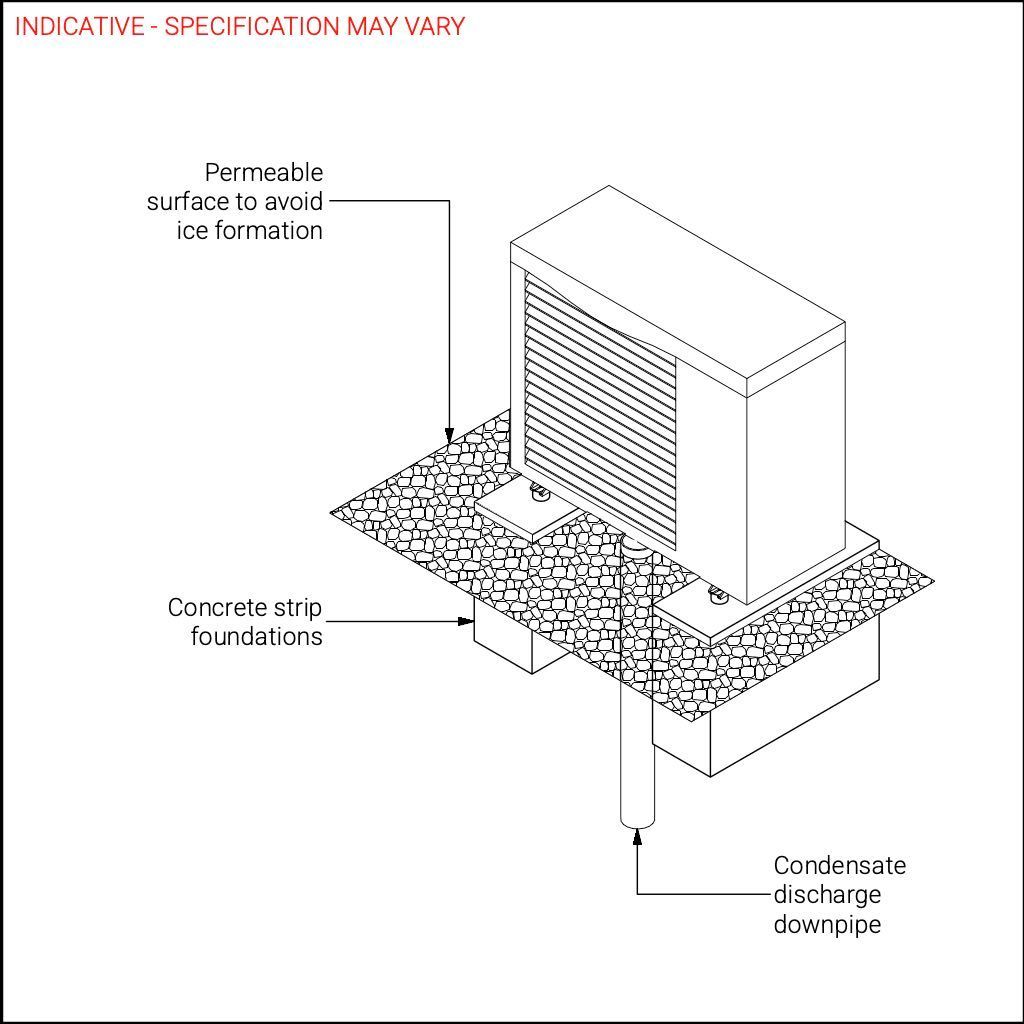
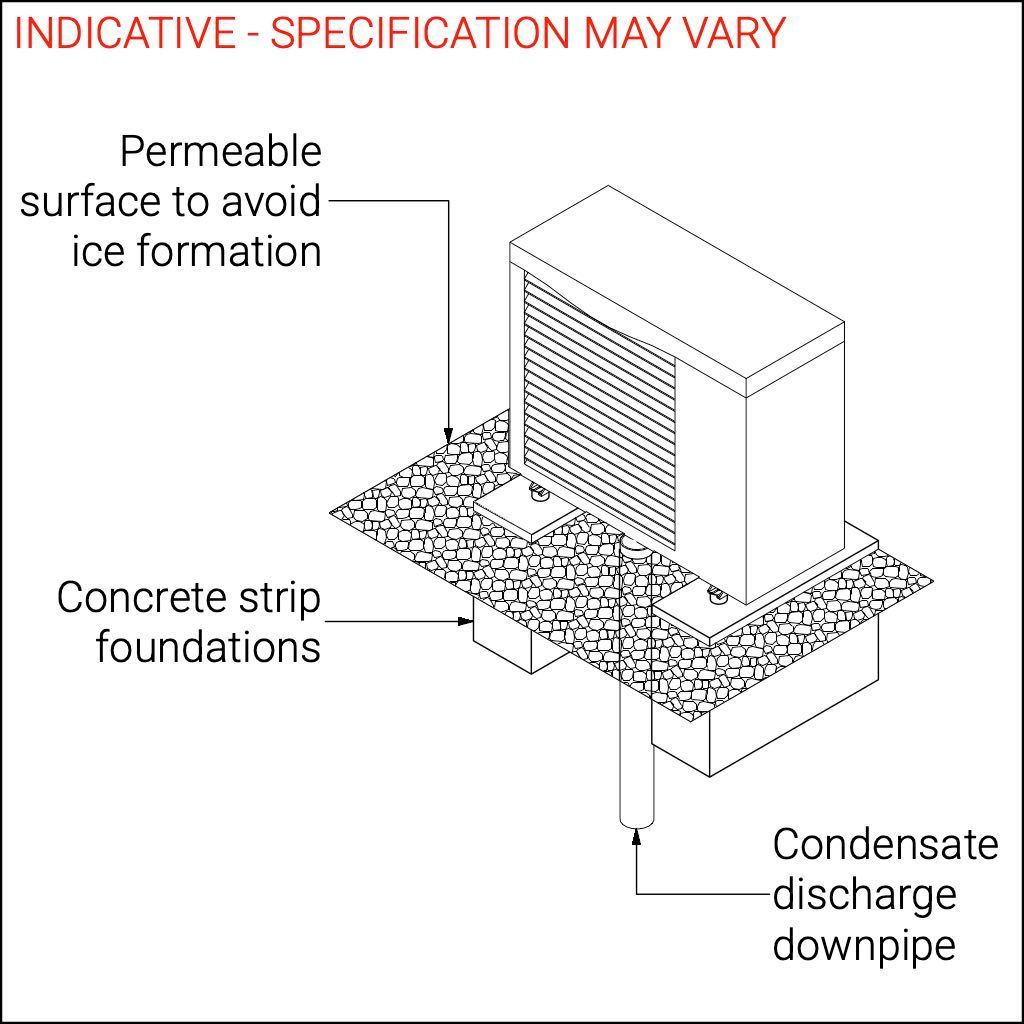
  • Is the HP suitably located, i.e. clear of restrictions with space for airflow, distance from boundaries, correct stand-off and with installation and maintenance access?


  • Is the HP base suitable for the location and site-specific ground conditions?


  • Has suitable drainage provision been made for HP condensate?


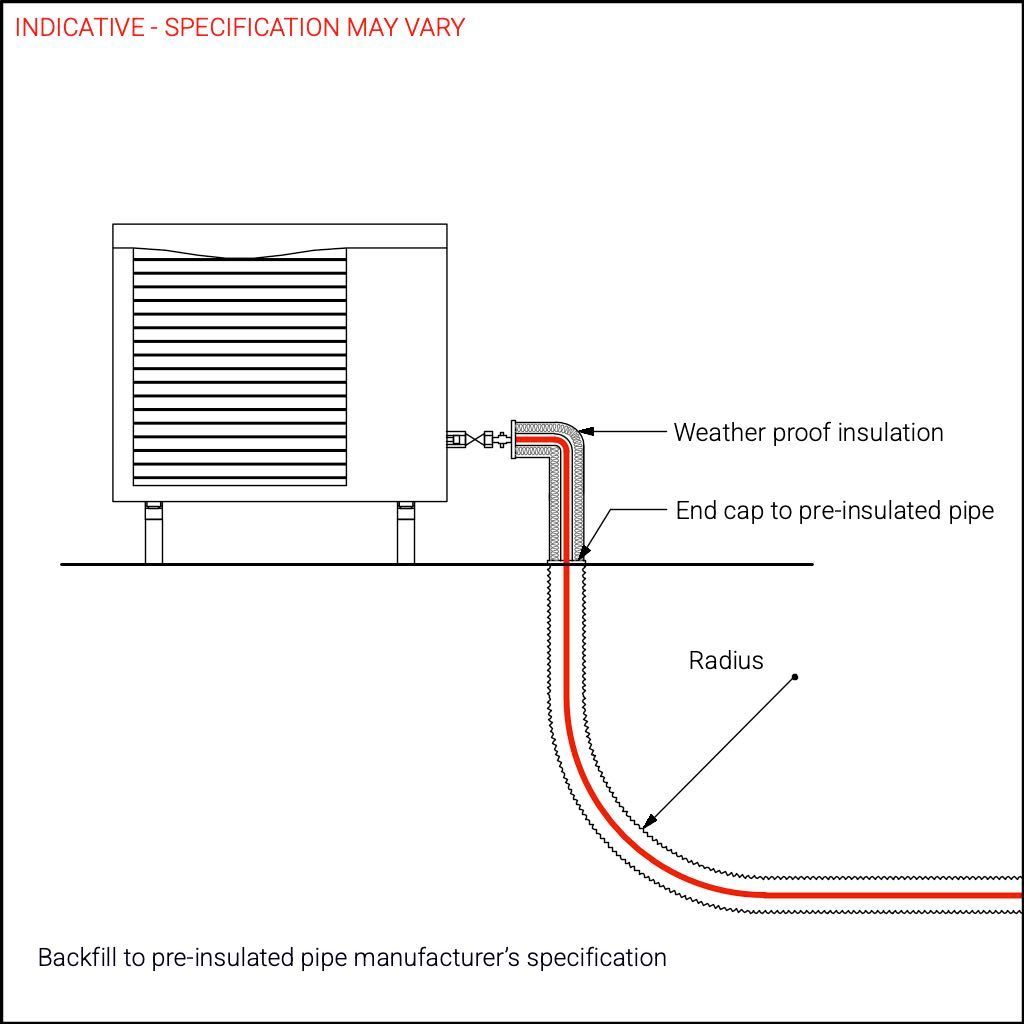
  • Where the HP is not immediately adjacent to the property, has pre-insulated pipework been coordinated into the design i.e. trench depths and sweeping bends?


  • Has provision been made for anchoring the HP unit using a secure, cast in mounting system suitable for use with the HP?


  • 🔵 UFH: Is floor construction suitable for UFH with appropriate screed or floor system specification and coordinated levels?

    Different installation methods can be used for wet underfloor heating, and an appropriate method should be chosen to suit the floor build up. 


    UFH on ground floor concrete slabs commonly use pipework clipped on top of insulation and cast within a thin screed. 


    With this buildup, even pipework spacing to the heating designer's specification, regular screed depth and appropriate floor coverings are key to ensuring good performance.

  • 🔵 UFH: Is the UFH pipework and manifold position accurately set out to allow ease of install, protection during build and access for maintenance?


  • 🟠 GSHP: Has the groundwork pipework layout been considered and sequenced with other trades?

    Ground source heat pumps require a ground collector pipework loop to transfer energy from / to the ground. Typically, either slinky coils or borehole loops are installed. 


    As significant excavation is required for both of these approaches, laying of these pipes should be carefully programmed so that the loop is laid in time for commissioning while avoiding damage by plant operations or other groundworks in the area.

  • 🟡 R290: Have exclusion zones been designed in where R290 or other flammable refrigerants are used, e.g. around openings and electrical isolators?


GROUNDWORKS

  • Is the HP suitably located, i.e. clear of restrictions with space for airflow, distance from boundaries, correct stand-off and with installation and maintenance access?


  • Is the HP base suitable for the location and site-specific ground conditions?


  • Has suitable drainage provision been made for HP condensate?


  • Where the HP is not immediately adjacent to the property, has pre-insulated pipework been coordinated into the design i.e. trench depths and sweeping bends?


  • Has provision been made for anchoring the HP unit using a secure, cast in mounting system suitable for use with the HP?


  • 🔵 UFH: Is floor construction suitable for UFH with appropriate screed or floor system specification and coordinated levels?

    Different installation methods can be used for wet underfloor heating, and an appropraite method should be chosen to suit the floor build up. 


    U'FH on ground floor concrete slabs commonly use pipework clipped on top of insulation and cast within a thin screed. 


    With this buildup, even pipework spacing, regular screed depth and appropriate floor coverings are key to ensuring good performance.

  • 🔵 UFH: Is the UFH pipework and manifold position accurately set out to allow ease of install, protection during build and access for maintenance?

    Different installation methods can be used for wet underfloor heating, and an appropriate method should be chosen to suit the floor build up. 


    UFH on ground floor concrete slabs commonly use pipework clipped on top of insulation and cast within a thin screed. 


    With this buildup, even pipework spacing to the heating designer's specification, regular screed depth and appropriate floor coverings are key to ensuring good performance.

  • 🟠 GSHP: Has the groundwork pipework layout been considered and sequenced with other trades?

    Ground source heat pumps require a ground collector pipework loop to transfer energy from / to the ground. Typically, either slinky coils or borehole loops are installed. 


    As significant excavation is required for both of these approaches, laying of these pipes should be carefully programmed so that the loop is laid in time for commissioning while avoiding damage by plant operations or other groundworks in the area.

  • 🟡 R290: Have exclusion zones been designed in where R290 or other flammable refrigerants are used, e.g. around openings and electrical isolators?


FIRST FIX

  • Have all heating engineers got appropriate competency or the required supervision for the tasks they are carrying out?

    Heating engineers should be fully trained and competent on the installation tasks that they are  carrying out or closely supervised if not. The heating installer should make sure a senior engineer is  coordinating work on site and monitoring junior engineers closely.

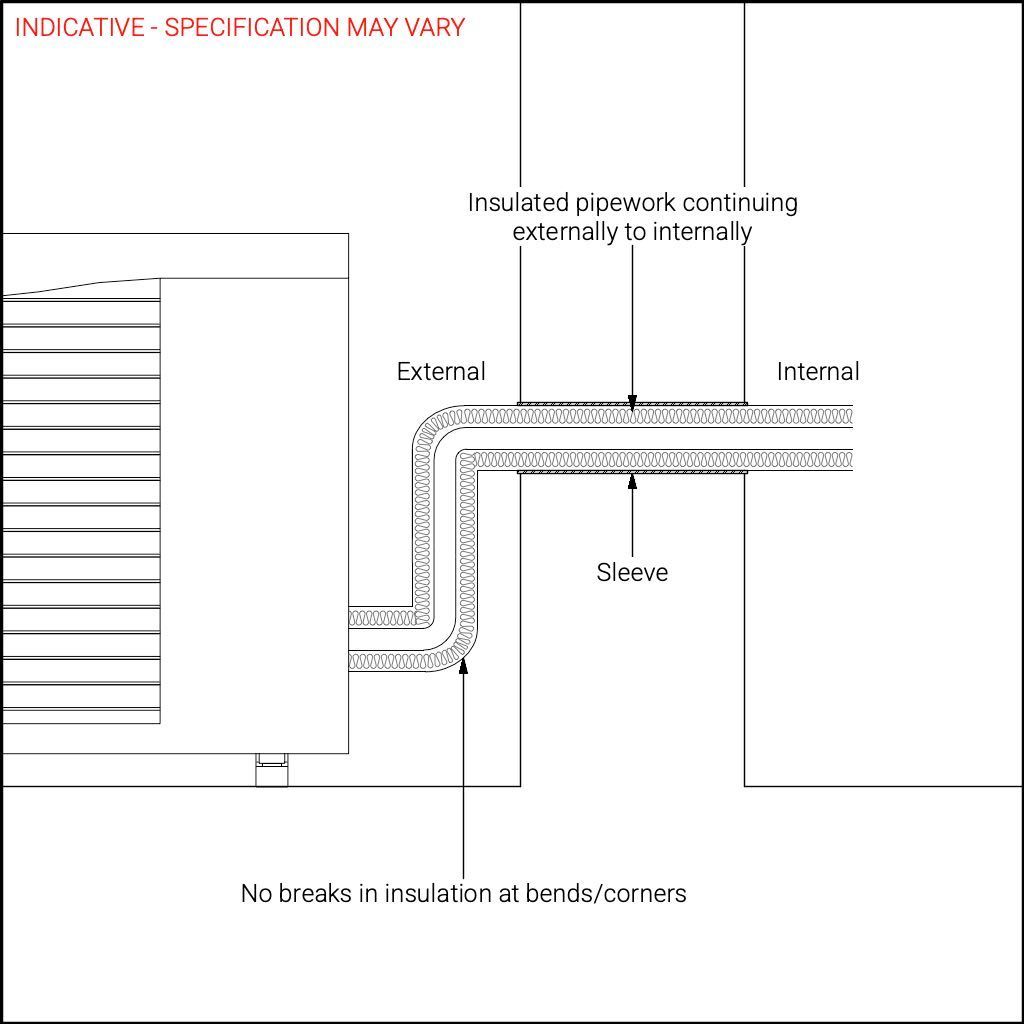
  • Has the quality and continuity of appropriately specified pipework insulation been checked?

    Heat pump systems are sensitive to incorrect flow rates so it is important to make sure that the pipework installed matches the specification, noting that different specifications may be required for different branches of pipework. 


    Make sure that as well as checking the install quality and insulation, the inner diameter and wall thickness of plastic pipework is checked, not simply the outer diameter.

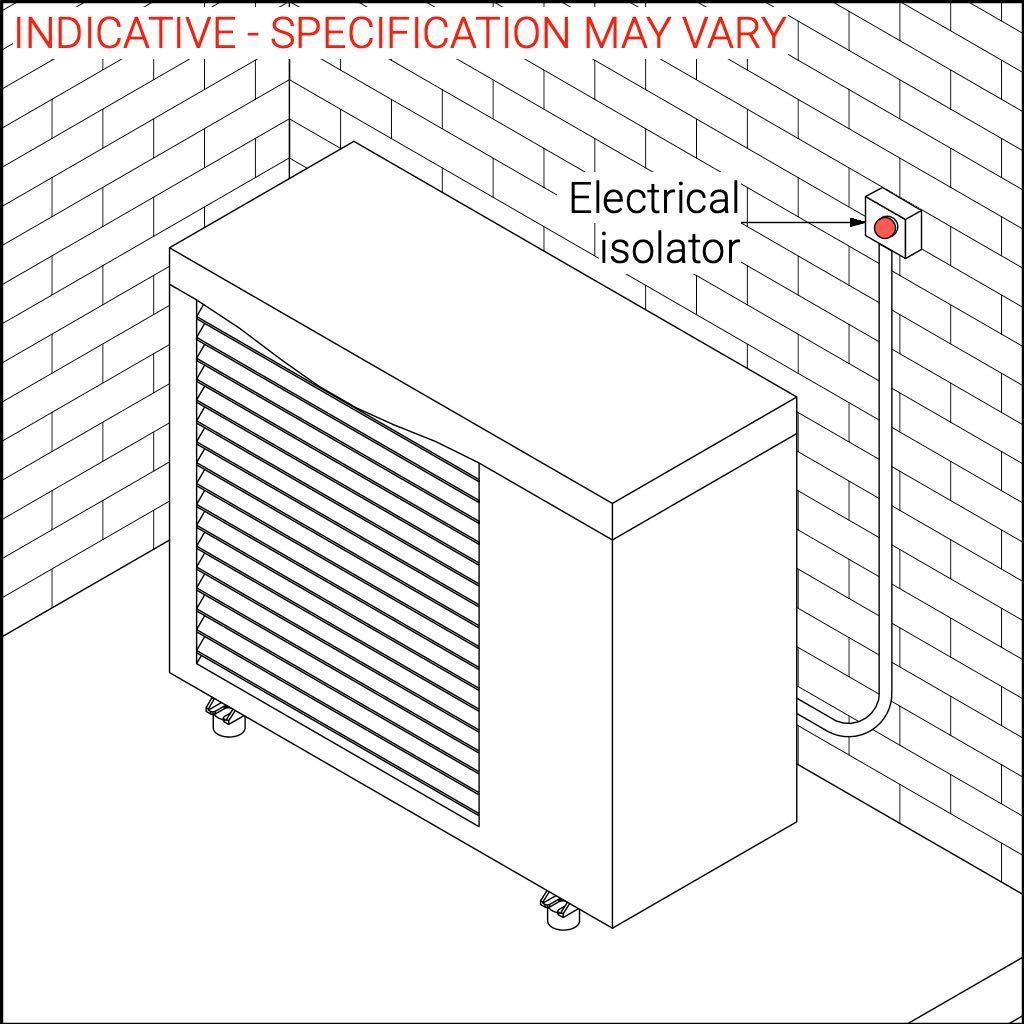
  • Has an accessible and appropriate spec electrical isolator been provided adjacent to the heat pump?


  • Have pipe runs been considered with suitable allowance made for insulation, sweeping bends and boxings?


  • Are primary pipe run lengths within manufacturers specified maximum distances and the correct diameter?

    Primary pipework runs between the outdoor ASHP unit and the distribution point, usually near the hot water cylinder in the service cupboard. This pipe run should be fully insulated and typically run in a larger diameter than other heating distribution pipes. While the agreed design should be consulted for specifics, a run length of <10m is generally considered good practice.

  • Has photographic evidence been captured to satisfy Part L requirements? This includes demonstration of continuity of insulation on primary pipework.


  • Is the cylinder cupboard suitably sized allowing ease of installation and maintenance?


  • Is first fix equipment protected from accidental damage by other works before commissioning takes place?

    It's important to make sure that exposed equipment is protected from damage and dust prior to handover. Outdoor heat pump units are naturally exposed and cages / protective covers should be considered to protect from knocks. Internally, components like UFH manifolds should be protected before being boxed in. Consider locking the service cupboard to prevent accidental damage during fitout.

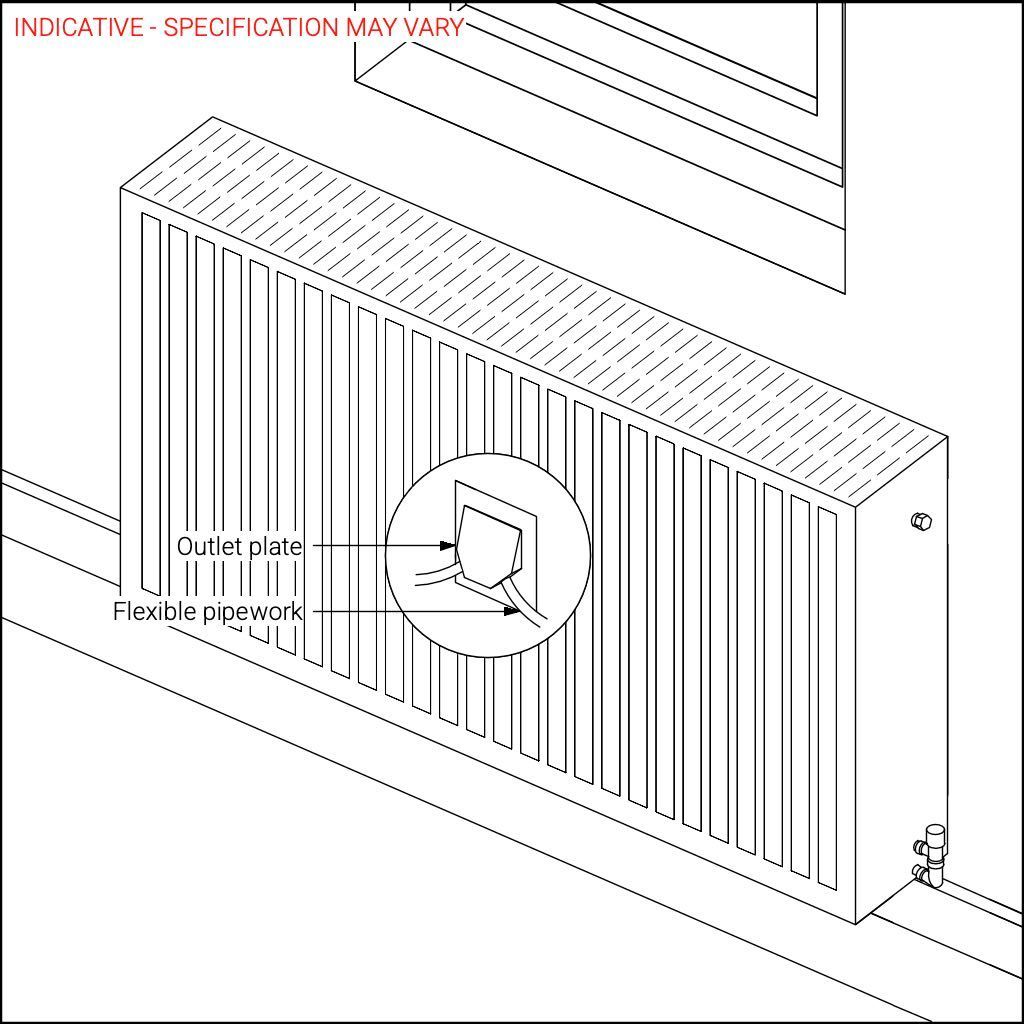
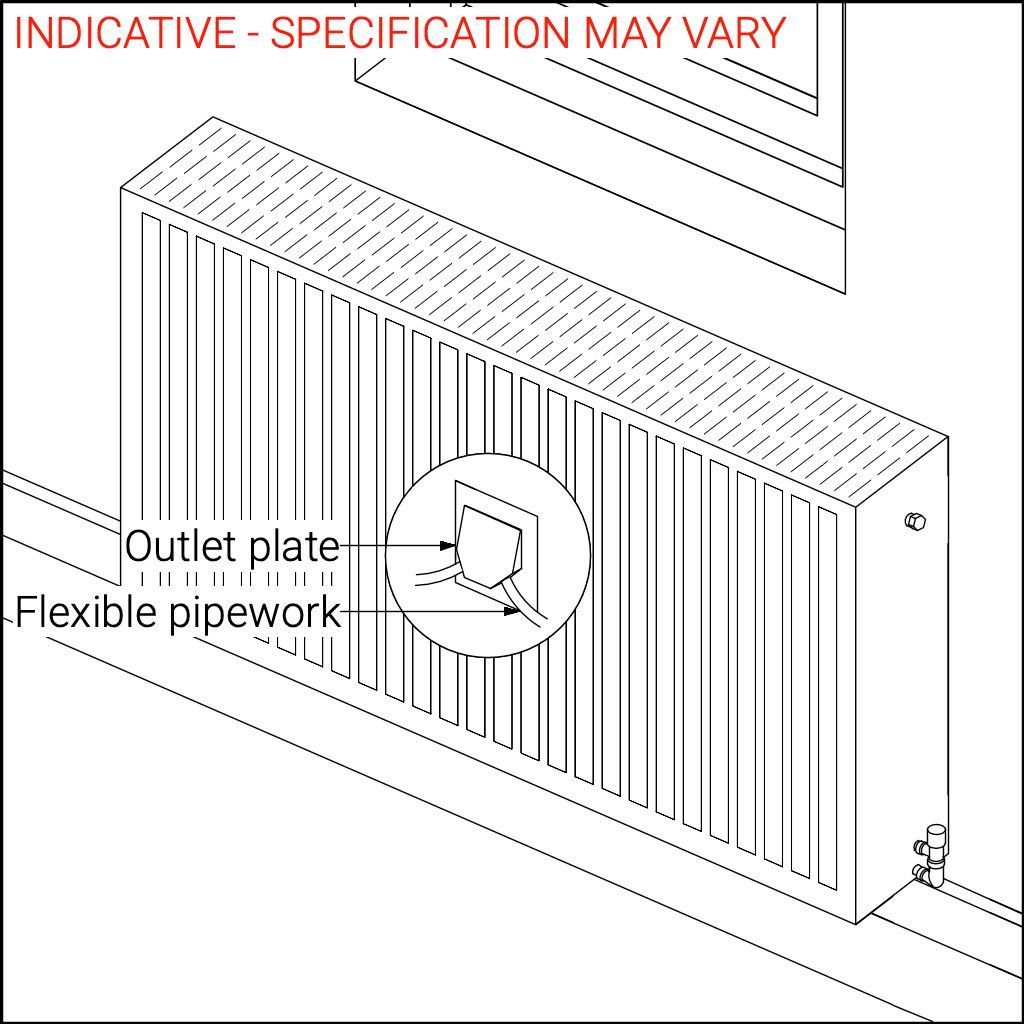
  • Has the flexibility and diameter of pipework been considered when planning connections from radiator outlet plate?

    As pipework diameters may be larger than for gas boiler systems, the specification and location of radiator outlet plates important to get right, allowing for sweeping bends and ease of connections.

  • Has UV resistant external trunking and insulation been specified and installed?

    Check with the design to make sure the correct trunking specification and routing has been installed where this is required. Any deviations should have been agreed with the responsible heating designer and recorded.

  • Have internal partitions been set out accurately with consideration to UFH circuits?


  • Has plumbing install been sequenced with other trades, including electricians, and has commissioning been factored in?

    Make sure that the critcial path to commissioning is planned and all related trades are programmed to complete their works in the right sequence in advance. 

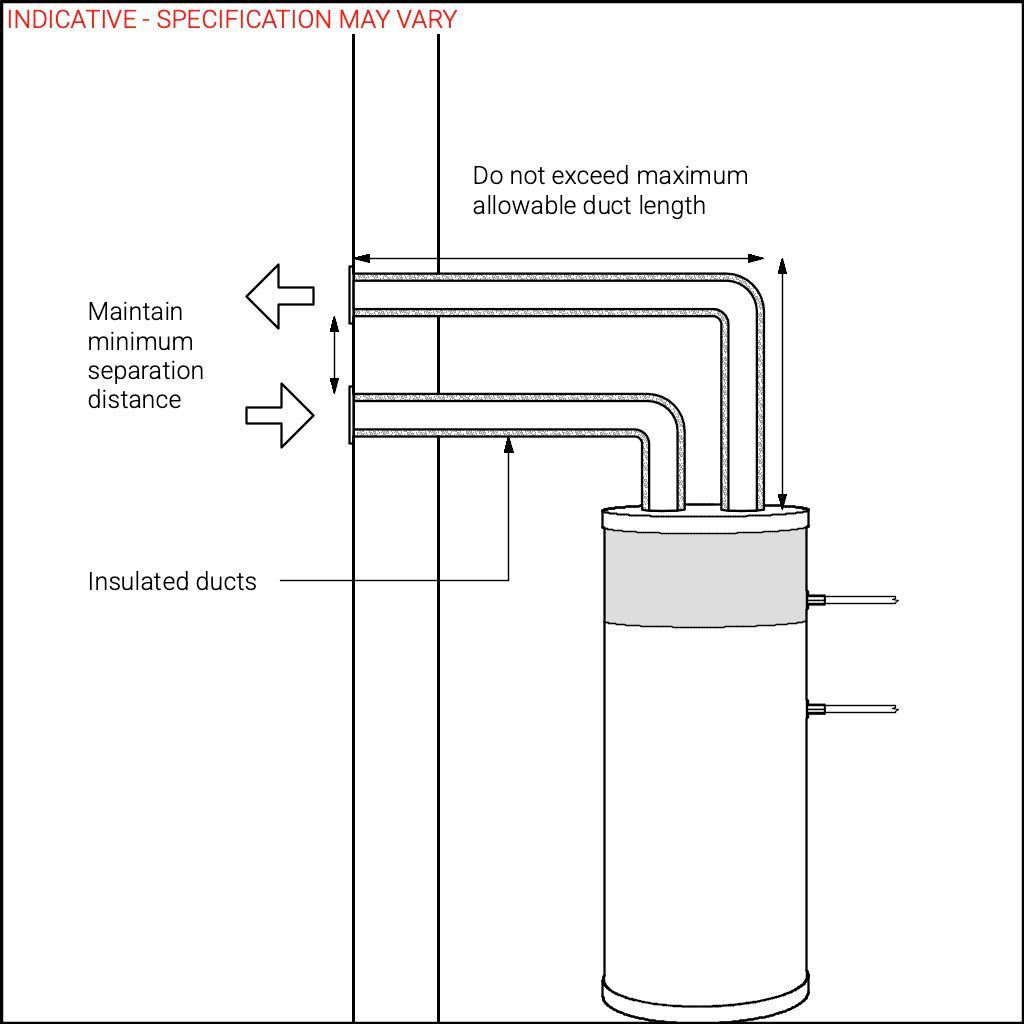
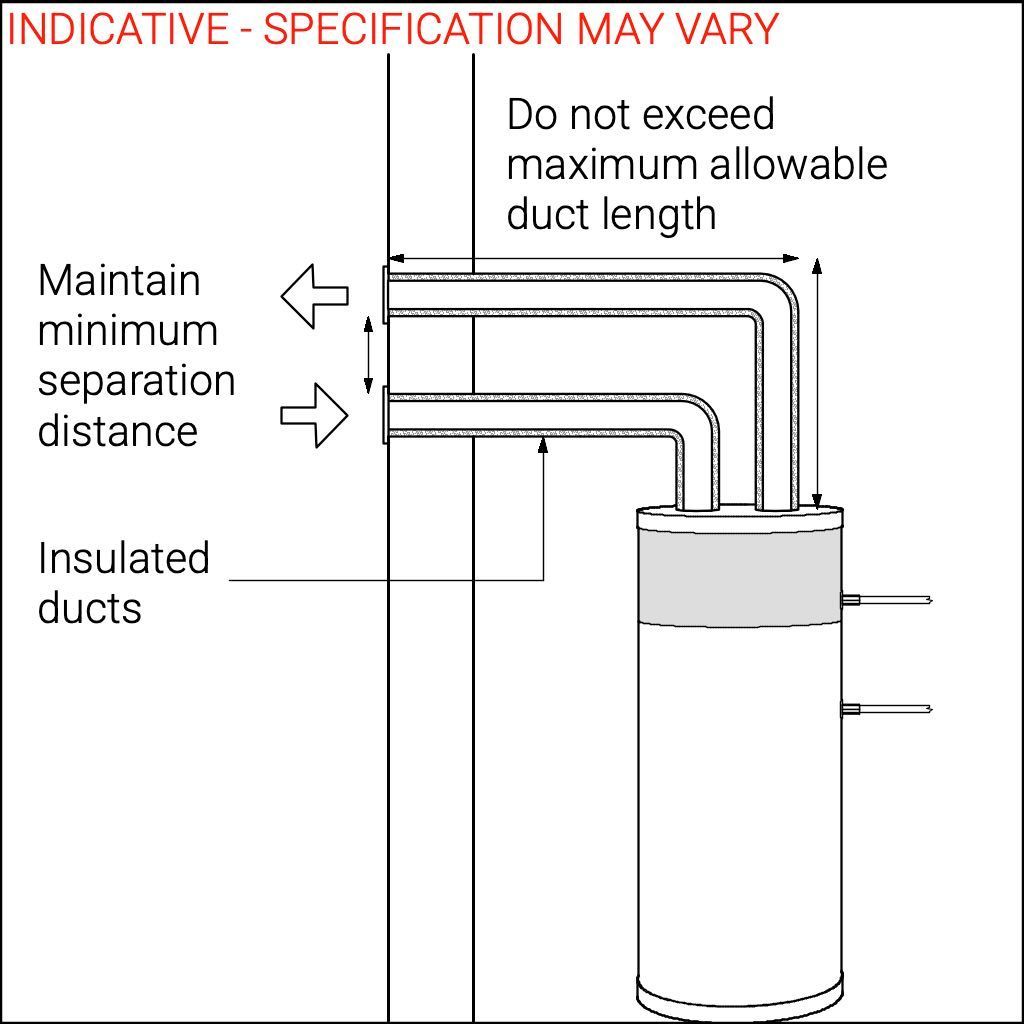
  • 🟣 AWHP: Are duct runs to façade insulated, direct and below max run length and are façade penetrations adequately separated?


FIRST FIX

  • Have all heating engineers got appropriate competency or the required supervision for the tasks they are carrying out?

    Heating engineers should be fully trained and competent on the installation tasks that they are  carrying out or closely supervised if not. The heating installer should make sure a senior engineer is  coordinating work on site and monitoring junior engineers closely.

  • Has the quality and continuity of appropriately specified pipework insulation been checked?

    Heat pump systems are sensitive to incorrect flow rates so it is important to make sure that the pipework installed matches the specification, noting that different specifications may be required for different branches of pipework. 


    Make sure that as well as checking the install quality and insulation, the inner diameter and wall thickness of plastic pipework is checked, not simply the outer diameter.

  • Has an accessible and appropriate spec electrical isolator been provided adjacent to the heat pump?


  • Have pipe runs been considered with suitable allowance made for insulation, sweeping bends and boxings?


  • Are primary pipe run lengths within manufacturers specified maximum distances and the correct diameter?

    Primary pipework runs between the outdoor ASHP unit and the distribution point, usually near the hot water cylinder in the service cupboard. This pipe run should be fully insulated and typically run in a larger diameter than other heating distribution pipes. While the agreed design should be consulted for specifics, a run length of <10m is generally considered good practice.

  • Has photographic evidence been captured to satisfy Part L requirements? This includes demonstration of continuity of insulation on primary pipework.


  • Is the cylinder cupboard suitably sized allowing ease of installation and maintenance?


  • Is first fix equipment protected from accidental damage by other works before commissioning takes place?

    It's important to make sure that exposed equipment is protected from damage and dust prior to handover. Outdoor heat pump units are naturally exposed and cages / protective covers should be considered to protect from knocks. Internally, components like UFH manifolds should be protected before being boxed in. Consider locking the service cupboard to prevent accidental damage during fitout.

  • Has the flexibility and diameter of pipework been considered when planning connections from radiator outlet plate?

    As pipework diameters may be larger than for gas boiler systems, the specification and location of radiator outlet plates important to get right, allowing for sweeping bends and ease of connections.

  • Has UV resistant external trunking and insulation been specified and installed?

    Check with the design to make sure the correct trunking specification and routing has been installed where this is required. Any deviations should have been agreed with the responsible heating designer and recorded.

  • Have internal partitions been set out accurately with consideration to UFH circuits?


  • Has plumbing install been sequenced with other trades, including electricians, and has commissioning been factored in?

    Make sure that the critcial path to commissioning is planned and all related trades are programmed to complete their works in the right sequence in advance. 

  • 🟣 AWHP: Are duct runs to façade insulated, direct and below max run length and are façade penetrations adequately separated?


SECOND FIX

  • Has the heating system and controls been installed by a competent engineer, using only the specified components and exactly to the design?

    For a heat pump system to work efficiently, perform as required, and for the energy assessment to be compliant it is critical that the system is installed according to the design. Check that all major components, pipework, insulation  controls and ancillaries are installed  as specified. 

  • Have any changes to the heat pump system components or design been signed off by the responsible heating designer and has the design information been updated accordingly?

    Any proposed design changes need to be checked and agreed by the responsible heating designer to make sure system performance and energy assessment compliance will not be affected. Where agreed, changes must be recorded and design / construction information updated so that there is no ambiguity or coordination issues on site.

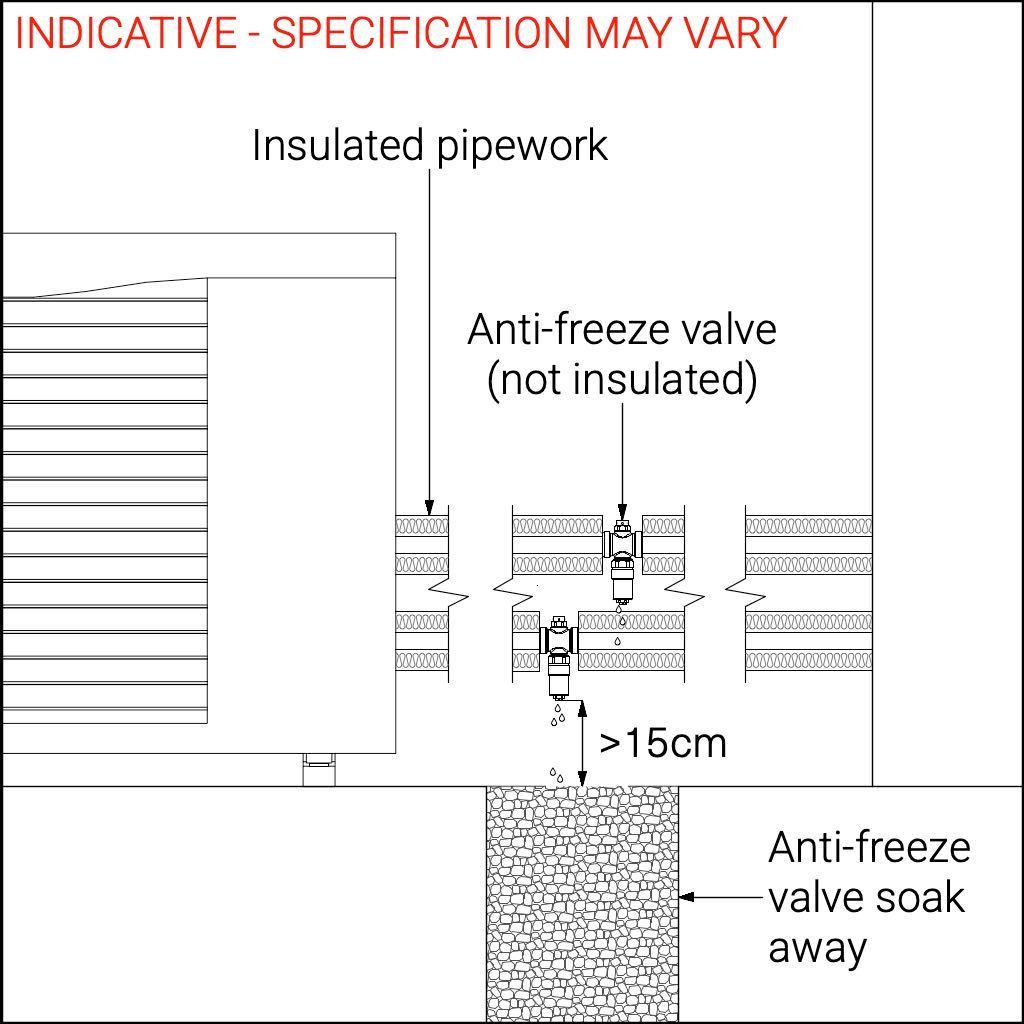
  • Are any required filters provided and installed to manufacturers recommendations? If anti-freeze valves are they mounted with specified clearance from the ground, and free of insulation?


  • Are pipework sizes on all branches and radiator connection positions as per the design?

    While pipe sizes may seem trivial, unlike boiler systems heat pump systems are finely balanced and much more efficient. This means that changes to the designed flow rates and heat losses that can be caused by incorrect pipe sizing can lead to issues in commissioning and operation, and may be non-compliant.

SECOND FIX

  • Has the heating system and controls been installed by a competent engineer, using only the specified components and exactly to the design?

    For a heat pump system to work efficiently, perform as required, and for the energy assessment to be compliant it is critical that the system is installed according to the design. Check that all major components, pipework, insulation  controls and ancillaries are installed  as specified. 

  • Have any changes to the heat pump system components or design been signed off by the responsible heating designer and has the design information been updated accordingly?

    Any proposed design changes need to be checked and agreed by the responsible heating designer to make sure system performance and energy assessment compliance will not be affected. Where agreed, changes must be recorded and design / construction information updated so that there is no ambiguity or coordination issues on site.

  • Are any required filters provided and installed to manufacturers recommendations? If anti-freeze valves are they mounted with specified clearance from the ground, and free of insulation?


  • Are pipework sizes on all branches and radiator connection positions as per the design?

    While pipe sizes may seem trivial, unlike boiler systems heat pump systems are finely balanced and much more efficient. This means that changes to the designed flow rates and heat losses that can be caused by incorrect pipe sizing can lead to issues in commissioning and operation, and may be non-compliant.

COMMISSIONING

  • Does the commissioning engineer have the necessary manufacturer training and competency for this specific heat pump?

  • Where the system needs internet access to commission will connectivity be available when required?

  • Has the system been fully flushed, filled and appropriate water treatment applied?

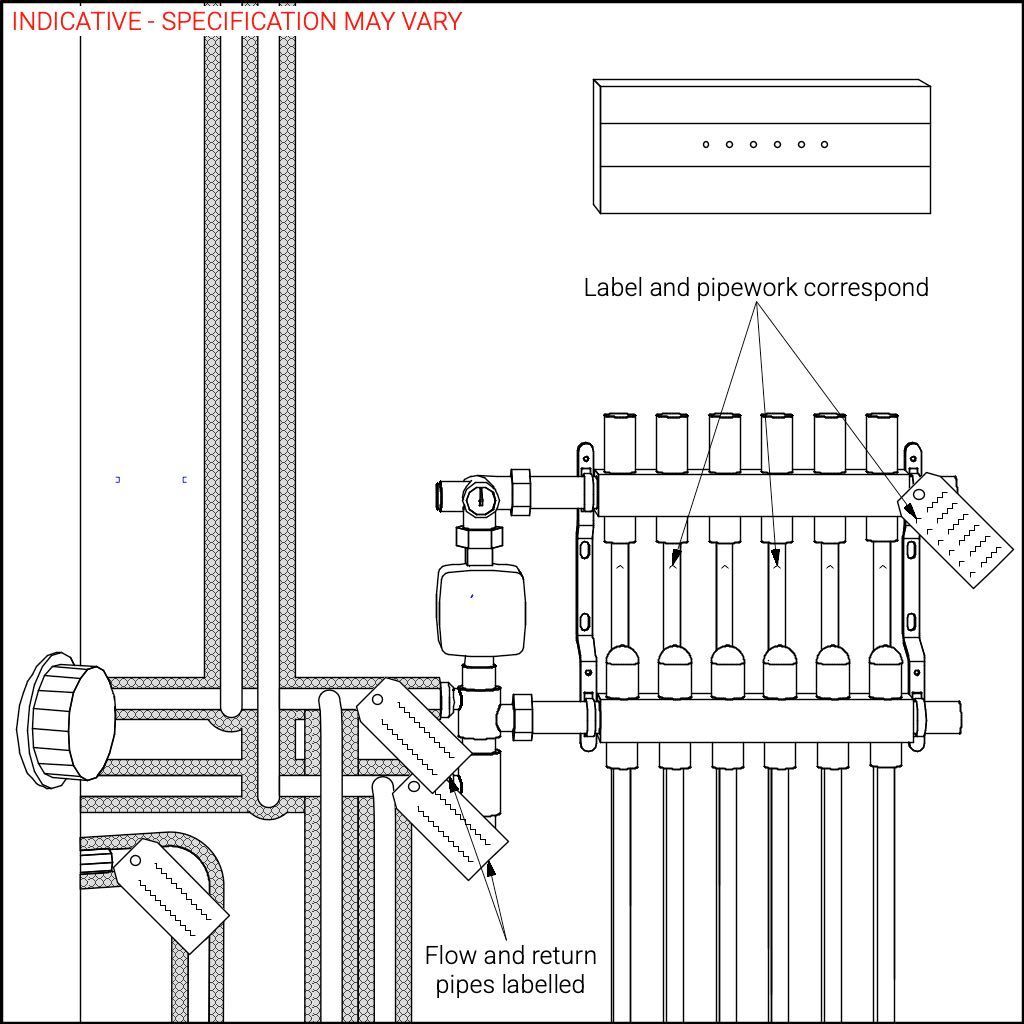
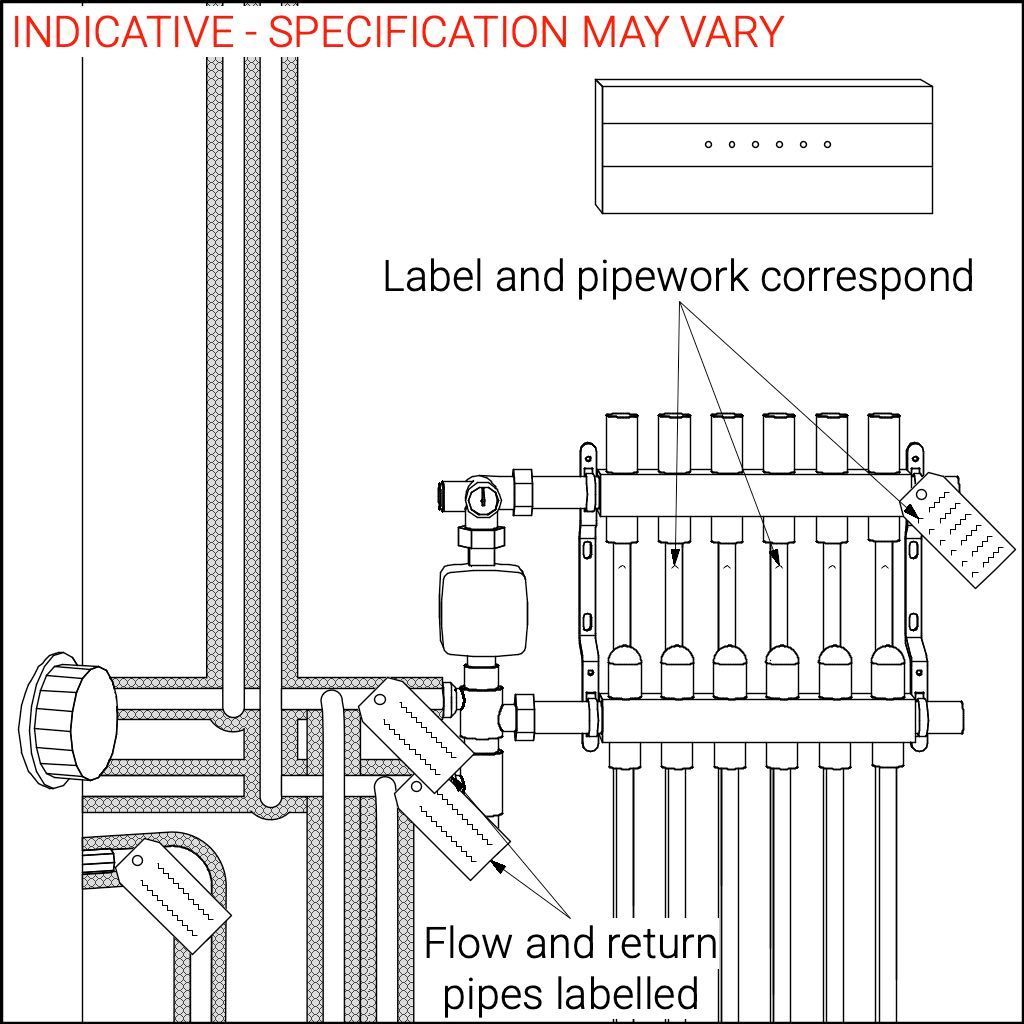
  • Is equipment suitably labelled for ease of maintenance and customer handover?

  • Has a proportion of heat pump commissioning been witnessed by a site manager?

    Even with a competent and experienced commissioning engineer in place it is important to have a member of the site team to oversee a proportion of the plots as they are commissioned.


    Some homebuilders find that the only way to ensure that no homes have issues with their heating is to witness the commissioning of every heatpump.


    See Heat pump commissioning - Hints & tips for more information

  • Has all necessary paperwork been completed in line with manufacturer, building control and warranty providers requirements?

  • Has the commissioning engineer signed the commissioning sheets?

    Note where installing to MCS requirements the installation company’s Technical Supervisor must also sign the commissioning sheets.


    See Heat pump commissioning - Hints & tips for more information

  • Post-commissioning has the system been left programmed appropriately for the period before handover or for the householder to move in?

COMMISSIONING

  • Does the commissioning engineer have the necessary manufacturer training and competency for this specific heat pump?

    See Heat pump commissioning - Hints & tips for more information

  • Where the system needs internet access to commission will connectivity be available when required?

    See Heat pump commissioning - Hints & tips for more information

  • Has the system been fully flushed, filled and appropriate water treatment applied?

    See Heat pump commissioning - Hints & tips for more information

  • Is equipment suitably labelled for ease of maintenance and customer handover?

    See Heat pump commissioning - Hints & tips for more information

  • Has a proportion of heat pump commissioning been witnessed by someone from the site team who is appropriately trained?

    Even with a competent and experienced commissioning engineer in place it is important to have a member of the site team to oversee a proportion of the plots as they are commissioned.


    Some homebuilders find that the only way to ensure that no homes have issues with their heating is to witness the commissioning of every heatpump.


    See Heat pump commissioning - Hints & tips for more information

  • Has all necessary paperwork been completed in line with manufacturer, building control and warranty providers requirements?

    See Heat pump commissioning - Hints & tips for more information

  • Has the commissioning engineer signed the commissioning sheets?

    Note where installing to MCS requirements the installation company’s Technical Supervisor must also sign the commissioning sheets.


    See Heat pump commissioning - Hints & tips for more information

  • Post-commissioning has the system been left programmed appropriately for the period before handover or for the householder to move in?

    See Heat pump commissioning - Hints & tips for more information

External guidance

FUTURE HOMES HUB

Householder guidance: Buying a new low energy home - heat pump edition


The Hub’s Householder Guidance for heat pumps provides a good starting point describing the components of a low energy home, including heat pumps. While this targets the homeowner/buyer, designers may find this helpful as an introduction.


Read more >

MICROGENERATION CERTIFICATION SCHEME

Heat Pump: Design Standard


MCS MIS-3005 is a technical design standard, elements of which are often referenced as design criteria and by third party guidance.


Read more >

CHARTERED INSTITUTION OF BUILDING SERVICES ENGINEERS

Domestic Heating Design Guide


The CIBSE Domestic Heating Design Guide is a commonly referenced detailed technical

guidance document intended predominantly for MEP/heating engineers. Architects may find this helpful to better understand technical fundamentals.


Read more >

PASSIVHAUS TRUST

Air to water heat pumps: The basics of energy efficiency


This short Passivhaus Trust guidance document focusses on the principles of low energy design that should be applied early in the design process.


Read more >

HEAT PUMP ASSOCIATION UK (HPA UK)

Online technical resources


The HPA UK publishes numerous practical technical resources including guidance documents and webinars. Notable publications accessible here include their “Heat Pump Commissioning Checklist & Service Record” template and “Field Assessment of Air Source Heat Pump Noise” guidance.


Read more >

ENERGY SAVING TRUST

Heat pumps: how they work, costs and savings


This online resource provides a basic overview of heat pump technology which may be useful for designers looks to familiarise with the technical fundamentals including benchmark performance and costs.


Read more >